
Brass & Bronze Alloys
Cost-Effective Brass Alloys for High-Volume Procurement
Cost-effective brass alloys for high-volume procurement depend on matching the right grade to the application. You need to weigh price against mechanical properties and
Practical copper and brass knowledge for professional buyers and engineers.
Buyers choose copper and brass products based on specs, quality checks, cost, and lead time. This site covers the parts, materials, and processes involved in those decisions.
The content focuses on tubes and pipes, sheets, rods and wire, brass and bronze alloys, grades and standards, testing and quality, pricing and logistics, and choosing a supplier. It is written for engineers and procurement teams who need practical answers, not marketing copy.
Start with the stage of the sourcing process you are in.
Explore dimensions, wall thicknesses, and applications of copper and brass tubes and pipes for industrial and plumbing systems.
Review sheet, rod, and wire specifications, including thicknesses and forms used in manufacturing, electrical, and structural projects.
Learn how different brass and bronze compositions affect strength, corrosion resistance, and performance in specific engineering tasks.
Compare common material grades and industry standards to ensure your copper and brass products meet project specifications.
Understand key testing methods and quality controls used to verify the integrity, purity, and performance of copper and brass products.
Gain insights into market pricing trends, shipping options, and logistics for importing or sourcing copper and brass materials.
Use this guide to evaluate suppliers, verify compliance, and select reliable partners for your copper and brass procurement needs.
Cost-effective brass alloys for high-volume procurement depend on matching the right grade to the application. You need to weigh price against mechanical properties and

High-current busbars typically use high-purity copper grades with low resistivity. The specific grade depends on current load, temperature, and mechanical handling.

Copper vs brass sheet differs in cost, strength, and corrosion resistance. Copper costs more but conducts heat and electricity better. Brass is cheaper and stronger but
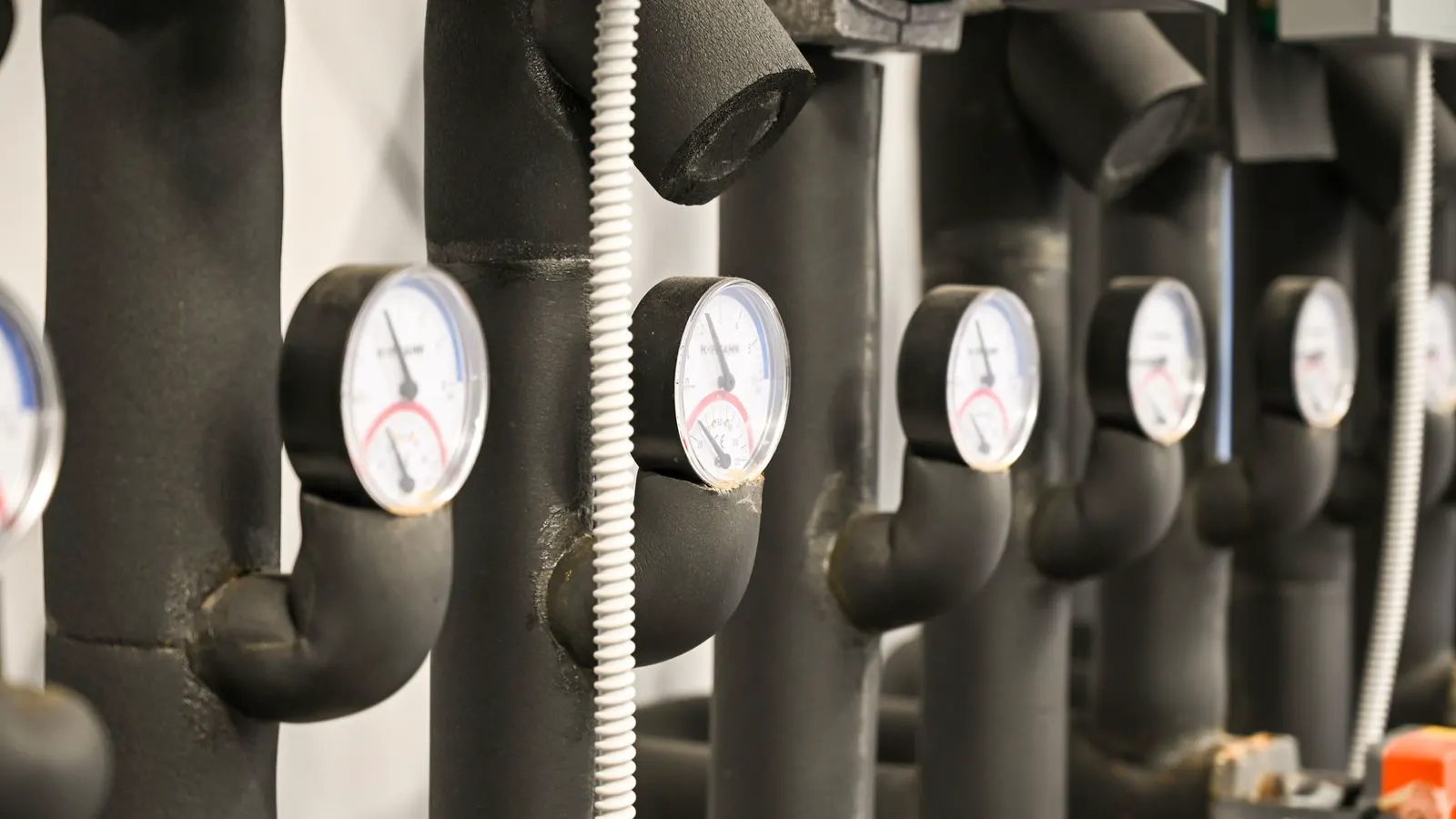
Choosing the right copper tube size requires balancing wall thickness, pressure limits, and service temperature. High-pressure industrial lines demand precise dimension

Buyers verify copper purity testing by checking mill test certificates, sampling for lab analysis, and inspecting physical characteristics. These steps confirm alloy

A structured copper supplier audit combines on-site observations, document review, and sample testing. Procurement teams should verify raw material traceability, mill

Copper sheet thickness selection depends on thermal conductivity needs, structural load, and fabrication method. Thinner gauges suit heat sinks, while thicker sheets
Copper is a pure metal. Brass is an alloy of copper and zinc. The properties of brass, such as strength and corrosion resistance, can be adjusted by changing the zinc content and adding other elements.
Tube size depends on the application, flow rate, pressure, and temperature. Check the manufacturer's specifications and ensure the tube meets the required standards for the specific use case.
Common brass alloys include free-cutting brass, carnone, and leaded brass. Each has different properties for machining, welding, or corrosion resistance. The choice depends on the application.
Quality testing includes chemical composition analysis, mechanical property tests, and dimensional checks. Specific tests depend on the product and the required standards.
Look for a supplier with a track record of quality, reliable lead times, and good communication. Check for certifications and references. Ask for samples before placing a large order.
Prices are influenced by raw material costs, supply and demand, and market conditions. Prices can change frequently. It is best to get multiple quotes and consider long-term contracts for price stability.