Copper Tube Sizes for High-Pressure Industrial Lines
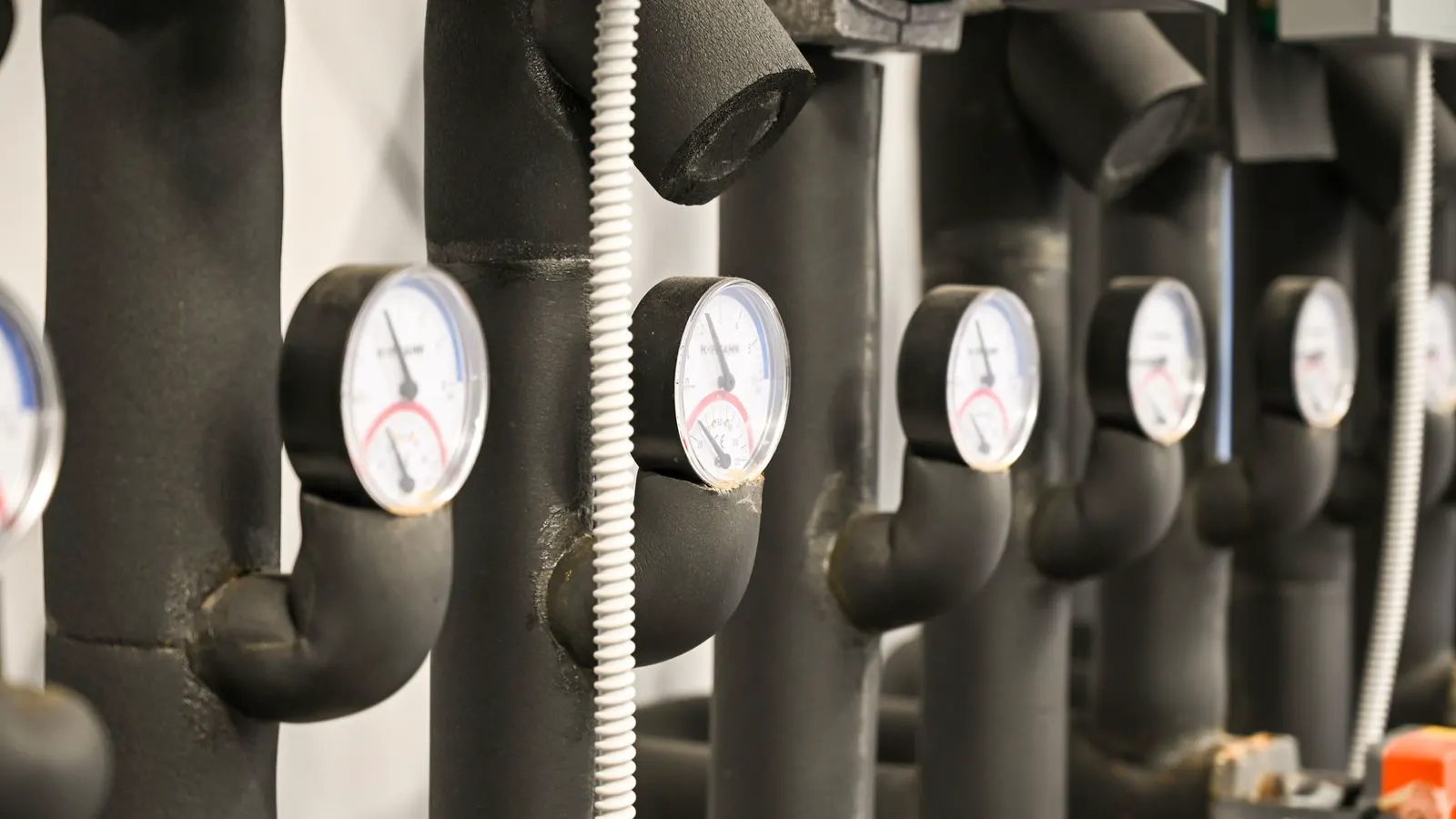
Choosing the right copper tube size requires balancing wall thickness, pressure limits, and service temperature. High-pressure industrial lines demand precise dimension checks to prevent failure. Proper sizing prevents over-engineering, cost overruns, and safety risks.
- Match the copper tube wall thickness to the specific maximum operating pressure and temperature.
- Verify the pressure rating for the actual service conditions, not just the nominal size.
- Plan for fabrication, flanging, and support spacing based on the tube's stiffness and weight.
- Check compatibility with the pressure relief valve and safety valve settings.
- Document the exact tube dimensions and material grade for maintenance and future replacements.
How pressure rating depends on wall thickness
A copper tube’s size is not just its outside diameter. The wall thickness determines how much internal pressure the tube can handle without bursting or deforming. A thin-walled tube may fit the line’s diameter but fail under sustained high pressure. A thick-walled tube handles the load but may be harder to bend, flare, or flare, and it costs more.
For high-pressure industrial applications, the pressure rating scales with the wall thickness. A tube with a larger wall can support a higher internal pressure at the same outside diameter. The relationship is not always linear when temperature rises. High temperatures reduce the strength of the metal. The pressure rating drops as the service temperature increases.
Buyers often look at the nominal size first. The nominal size is a standard designation. It does not tell the full story. Two tubes with the same nominal size may have different wall thicknesses. They may also have different material grades. The wall thickness and grade set the pressure limit.
The service temperature is a key variable. A tube that handles a certain pressure at room temperature may handle a lower pressure at 150 degrees Celsius. The design must account for the maximum temperature the line will see. This is not just about the fluid. It is about the ambient heat from nearby equipment, insulation failure, or process changes.
How tube dimensions affect flow and cost
Tube dimensions influence both the flow capacity and the project cost. A larger outside diameter allows more flow. A larger wall thickness reduces the inner diameter. This reduces flow capacity for the same pressure drop. There is a trade-off between pressure safety and flow efficiency.
For high-pressure lines, the flow requirement is usually lower than in low-pressure systems. High-pressure systems carry less volume to deliver the same energy or force. This allows for smaller inner diameters. A smaller inner diameter reduces the amount of copper needed. It also reduces the pressure drop in the line.
Cost is driven by material volume and fabrication effort. A thick-walled copper tube uses more material. It weighs more. It is heavier for the crew to handle. It requires stronger supports. It may need special tools for cutting and joining. A thin-walled tube is cheaper to buy but may fail under pressure. The total cost includes installation, maintenance, and the risk of failure.
The flow velocity in the line also matters. Too high a velocity causes erosion and noise. Too low a velocity causes deposits to settle. For high-pressure lines, the velocity is usually kept moderate. The tube dimensions must allow this velocity without excessive pressure drop.
How to choose the right size for your line
Choosing the right copper tube size requires a clear understanding of the service conditions. The maximum operating pressure is the starting point. The maximum service temperature is the second. The fluid type is the third. Some fluids are corrosive to copper. They may require a specific alloy or a lined tube.
The operating pressure is the pressure at which the line will run in normal conditions. The maximum pressure is the highest pressure the line will see, including transient spikes. The design pressure is set above the maximum operating pressure to provide a safety margin. The tube must handle this design pressure.
The service temperature is the maximum temperature the fluid reaches. It is not the average. It is the peak. The design must use this peak value. The pressure rating at this temperature must be checked against the design pressure. If the rating is below the design pressure, the tube is too small or too thin.
The fluid type affects the choice. Water is standard. Oil and gas require different considerations. Some fluids cause pitting or erosion. The tube material may need to be a specific copper alloy. The alloy affects the pressure rating. A standard copper tube may not be suitable for all fluids.
How flanging and fittings affect the selection
The tube does not exist in isolation. It connects to flanges, valves, and other components. The flange rating must match the tube’s pressure rating. A high-pressure tube connected to a low-rating flange creates a weak point. The flange is often the failure point.
The flange size must match the tube’s outside diameter. The flange thickness must handle the pressure. The gasket must seal at the operating temperature and pressure. The gasket material must be compatible with the fluid. The flange bolts must be the correct grade. They must be tightened to the correct torque.
The tube ends must be prepared for the flange. They may be rolled, flanged, or threaded. The preparation method affects the strength. A rolled end is strong. A threaded end may leak under high pressure. The joint must be designed for the specific application. The standard for the joint must be followed.
The support structure is another factor. A thick-walled tube is heavy. It needs strong supports. The supports must handle the weight and the pressure forces. The spacing between supports must be calculated. Too far apart causes sagging. Too close together causes stress concentrations. The supports must be corrosion-resistant if the environment is harsh.
How to prepare the purchase and installation
The preparation phase is where many projects fail. The buyer must confirm the exact dimensions. The outside diameter, wall thickness, length, and material grade must be specified. A generic order for a “copper tube” is not enough. The supplier must know the exact part number or the exact dimensions.
The material certificate is required. It proves the grade of the copper. It confirms the heat treatment. It verifies the absence of defects. Without the certificate, the buyer cannot verify the strength. The certificate is a document. It is part of the quality control.
The inspection plan must be in place. The tube must be inspected on arrival. The dimensions must be measured. The surface must be checked for damage. Any defect must be reported. The supplier must replace defective tubes. The installation must be done by trained personnel. The tools must be correct. The joining method must be followed.
The commissioning process is the final check. The line must be pressure tested. The test pressure is usually above the design pressure. The test must be held for a set time. The pressure must not drop. Any leak must be found and fixed. The line is then put into service. The operating conditions are monitored. The pressure and temperature are recorded. Any deviation is investigated.
| Component | Typical Selection Factor |
|---|---|
| Wall Thickness | Primary determinant of pressure rating |
| Outside Diameter | Sets the flow capacity and connection size |
| Material Grade | Affects corrosion resistance and strength |
| Flange Rating | Must match or exceed tube pressure rating |
| Support Spacing | Depends on tube weight and pressure forces |
How to avoid common sizing mistakes
The most common mistake is relying on the nominal size alone. The nominal size is a label. It does not define the pressure capacity. The wall thickness is the real factor. A buyer who orders a thin-walled tube for a high-pressure line creates a safety hazard.
Another mistake is ignoring the service temperature. A tube rated for a certain pressure at room temperature may fail at high temperature. The design must account for the actual operating temperature. The pressure rating drops as temperature rises. The margin must be maintained.
The third mistake is underestimating the weight. A thick-walled tube is heavy. The supports must be strong enough. If the supports are weak, the tube sags. The sags cause stress. The stress leads to fatigue. The tube fails. The supports must be calculated, not guessed.
The fourth mistake is using the wrong joint method. A threaded joint may not seal under high pressure. A flanged joint is often better for high-pressure lines. The joint must be designed for the specific service. The standard must be followed. The torque must be correct. The gasket must be the right type.
The fifth mistake is not keeping records. The exact dimensions, material grade, and test results must be documented. This record is needed for maintenance. It is needed for future replacements. It is needed for insurance. It is needed for regulatory compliance. The record is a simple document, but it is essential for long-term safety.
Frequently asked questions
Does a larger outside diameter always mean a higher pressure rating?
No. The pressure rating depends on the wall thickness and the material grade, not just the outside diameter. A larger tube with a thin wall may have a lower pressure rating than a smaller tube with a thick wall.
How does temperature affect the pressure rating of a copper tube?
Higher temperatures reduce the strength of the copper. The pressure rating drops as the service temperature increases. The design must use the maximum operating temperature to ensure safety.
Can I use a standard copper tube for a high-pressure gas line?
It depends on the gas and the pressure. Some gases require specific alloys or lined tubes. The standard tube may not be suitable. The fluid type and pressure must be checked against the tube's rating.
What is the best way to verify the pressure rating of a tube?
Check the manufacturer's data sheet for the specific wall thickness and material grade. The data sheet lists the pressure rating at various temperatures. Compare the rating to the design pressure and temperature.
Do I need a special flange for a high-pressure copper tube?
Yes. The flange must be rated for the same pressure and temperature as the tube. The flange size must match the tube's outside diameter. The gasket and bolts must also be rated for the service conditions.