Copper Sheet and Brass Rod: Cost Drivers and Lead Time Variables for Importers
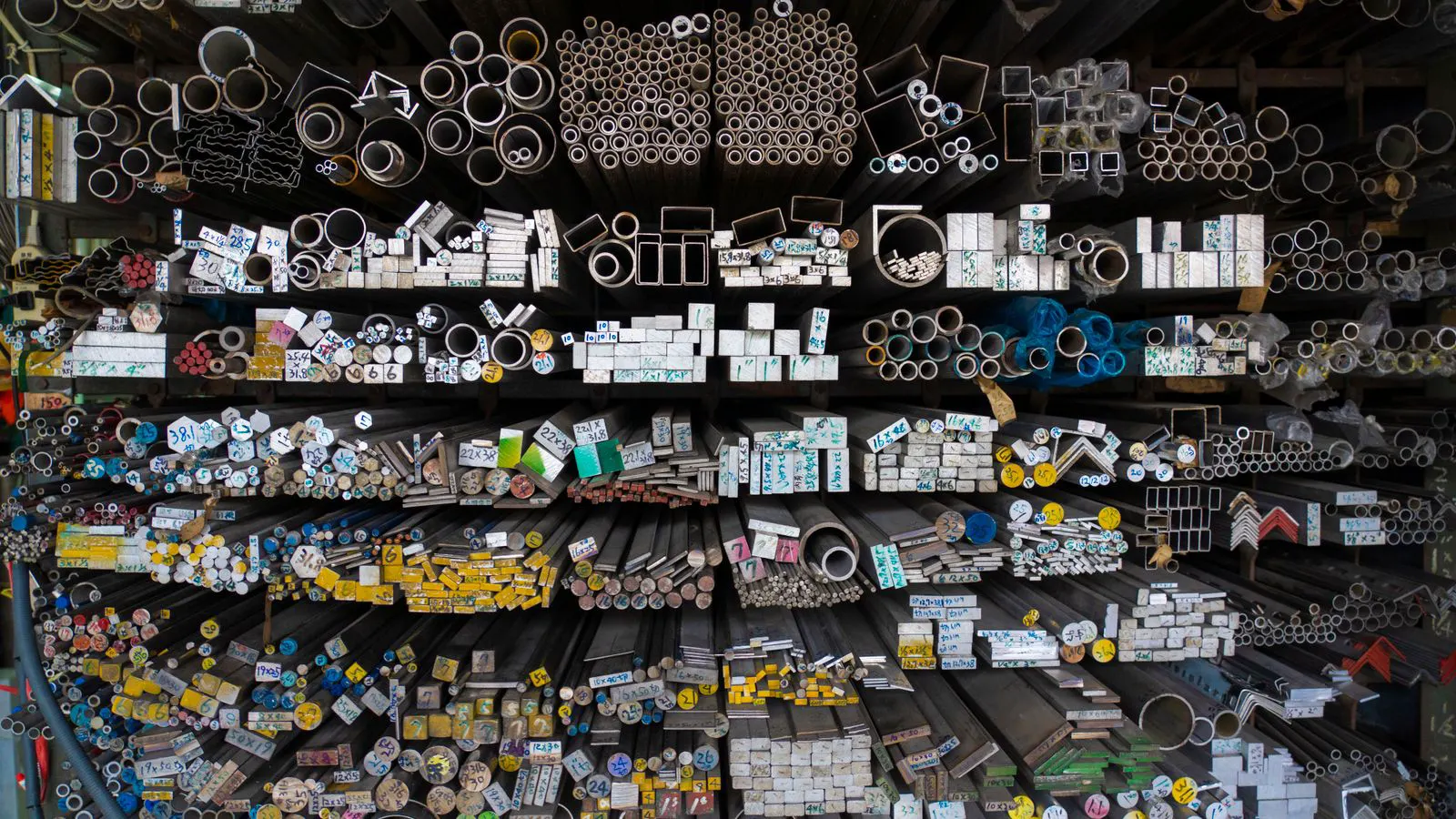
Importing copper sheet and brass rod requires balancing material grade, thickness, and market volatility against delivery schedules. This guide breaks down the primary cost drivers and lead time variables, explaining how to structure a clear RFQ to compare quotes accurately and secure consistent supply.
- Copper sheet cost fluctuates based on the copper index and the specific alloy composition.
- Brass rod lead times depend on the alloy grade, with free-cutting types often requiring longer production runs.
- A clear RFQ specifying dimensions, tolerances, and packaging reduces back-and-forth and speeds up quoting.
- Comparing quotes requires accounting for freight, customs, and minimum order quantities, not just unit price.
Why Copper Sheet Prices Move
Copper sheet cost is rarely static. The base price tracks the global copper index, which responds to supply chain disruptions, mining output, and macroeconomic demand. For an importer, the index is the starting point, but the final price on the invoice includes several other factors.
The alloy grade affects the premium over the base metal. Pure copper, such as C10100, trades closer to the index. Alloyed copper, like C11800 or C18200, carries a higher price due to the addition of manganese or silicon for strength. The thickness of the sheet also changes the cost structure. Thicker gauges are more expensive per kilogram because they represent more material. However, they are often easier to process in a shop, which can offset the material cost in a total project budget.
Width and length are the other two variables. Standard sheet sizes are easier to source and store. Custom cut-to-size sheets cost more because the supplier must manage inventory and handle off-cuts. If you require a specific width, expect a surcharge. If you can accept a standard 1000mm or 1220mm width, your unit price will be lower.
Brass Rod Lead Time Variables
Brass rod lead time is less about the metal market and more about the production process. Most brass rod is not produced in a continuous strip. It is extruded or drawn. The alloy composition determines how long the production run takes.
Free-cutting brass, such as C37700, contains selenium. This addition makes the material easier to machine but requires a different extrusion process. This often means longer lead times because the supplier must schedule a specific run for the selenium-bearing alloy. Free-machining brass, such as C36000, is more common and often has shorter lead times because it is a standard grade.
The diameter of the rod also plays a role. Large diameter rods require specialized equipment and take longer to draw or extrude. Small diameter rods can be produced in higher volumes. If you require a specific size, such as 1/2 inch or 3/4 inch, the supplier must ensure the equipment is set up. This setup time adds to the lead time.
How to Write a Clear RFQ
A vague RFQ leads to vague quotes. If you ask for “copper sheet” without specifying the grade, the supplier will quote the cheapest option. If you ask for “brass rod” without a diameter, they will quote a standard size. This creates a gap between what you quoted and what you ordered.
Start with the material. Specify the grade, such as C10100 for copper sheet or C36000 for brass rod. If you have a second option, list it. For example, “C10100 or C11800, whichever is cheaper at the time of shipment.” This gives the supplier flexibility and can lower your cost.
Next, specify the dimensions. List the width, length, and thickness. If you are buying copper sheet, specify the finish. Bright annealed is more expensive than polished or mill finish. For brass rod, specify the surface finish and the tolerance. A tolerance of plus/minus 0.5mm is standard. A tighter tolerance of plus/minus 0.1mm will cost more.
Finally, specify the quantity and packaging. Minimum order quantities (MOQs) are common in metal imports. Some suppliers will only ship a full container of copper sheet. If you need less, you will pay a premium for partial shipment. Packaging also matters. Copper sheet is often wrapped in polyethylene. Brass rod is often wrapped in paper or plastic. Specify the packaging to avoid surprises at the destination.
How to Compare Quotes Fairly
Do not compare the unit price alone. The unit price is only part of the total cost of ownership. You must account for freight, customs, and duties. An importer in a different hemisphere will pay more for freight than an importer in the same region.
Look at the Incoterms. EXW means the supplier delivers to their dock. FOB means the supplier delivers to the port. CIF means the supplier pays for freight to your port. CIF is often easier for a small importer because you do not need to arrange sea freight. However, EXW or FOB can be cheaper if you have access to a freight forwarder.
Check the validity of the quote. Metal prices move daily. A quote valid for 30 days is more useful than one valid for 90 days. If you are planning a large project, you may need to lock in the price. Some suppliers offer price protection for 30 or 45 days. This costs more, but it reduces risk.
Compare the quality documentation. A reputable supplier will provide a mill certificate. This document states the grade and test results. If a supplier does not provide a mill certificate, be cautious. The material may not meet the specifications you require. This can lead to rework or rejection at your facility.
Key Cost Drivers Table
The following table lists the primary factors that affect the price and delivery of copper sheet and brass rod.
| Factor | Impact on Copper Sheet | Impact on Brass Rod |
|---|---|---|
| Alloy Grade | Pure copper is cheaper than alloyed copper | Free-cutting alloys cost more than standard brass |
| Thickness/Gauge | Thicker sheets cost more per kilogram | Large diameter rods require longer setup |
| Market Volatility | High sensitivity to copper index | Lower sensitivity to base metal index |
| Lead Time | Standard sizes are fast; custom cuts are slow | Free-cutting alloys have longer production runs |
| Packaging | Polyethylene wraps add cost | Paper or plastic wraps are standard |
| Quantity | MOQs are higher for small orders | MOQs are often lower for rod |
Managing Lead Time Risk
Lead time risk is the biggest challenge for importers. If a supplier misses the deadline, your production line stops. You need a buffer.
Order 10 to 15 percent more than you need for the initial project. This covers defects, damage in transit, or unexpected demand. If you are building a product that requires 500 meters of brass rod, order 600 meters. This small increase prevents a production halt.
Build relationships with multiple suppliers. Do not rely on a single source. If one supplier has a quality issue, you need a backup. It is better to have two suppliers at slightly different price points than one supplier at a low price point.
Monitor the market. If you are importing copper sheet, watch the copper index. If the price spikes, you may want to buy a larger quantity to lock in the cost. If the price drops, you may want to delay the purchase. This requires market knowledge and a flexible contract.
Final Thoughts on Sourcing
Sourcing copper sheet and brass rod is a balance of price, quality, and delivery. The copper index sets the base price, but alloy grade, thickness, and width determine the final cost. For brass rod, the alloy composition and diameter drive the lead time.
A clear RFQ is the first step to a fair quote. Specify the grade, dimensions, and packaging. Compare quotes by looking at the total cost, not just the unit price. Check the Incoterms and the validity of the quote.
Finally, manage your risk. Order a buffer quantity and build relationships with multiple suppliers. This approach ensures that you have the right material, at the right cost, when you need it.
Frequently asked questions
What is the main factor that drives copper sheet cost?
The global copper index is the primary driver of copper sheet cost. Alloy grade and thickness are the secondary factors that add a premium to the base price.
How does the alloy grade of brass rod affect lead time?
Free-cutting brass alloys, such as C37700, often have longer lead times because they require a specific extrusion process. Standard brass alloys, like C36000, are produced more frequently and have shorter lead times.
Why is it important to specify packaging in an RFQ?
Packaging affects the total cost and the condition of the material upon arrival. Specifying the packaging prevents surprises and ensures the metal is protected during transit.
What are the risks of ordering only the exact quantity needed?
Ordering only the exact quantity increases the risk of production delays. If there is damage in transit or defects in the material, you will not have enough stock to continue production.
How can an importer reduce the cost of metal imports?
Importers can reduce costs by using standard sizes, accepting standard finishes, and buying in larger quantities. Comparing quotes from multiple suppliers and monitoring market prices also helps control costs.