Outlook: Copper and Brass Market Trends for Importers
Importers should plan for supply concentration, alloy-specific volatility, freight rate swings, and quality specification tightening. By monitoring metal prices and diversifying supplier regions, buyers can reduce exposure to sudden cost spikes and maintain stable production schedules.
- Monitor copper and brass market signals weekly rather than relying on quarterly forecasts alone.
- Build supplier redundancy to reduce exposure to single-region supply disruptions.
- Use contract structures that balance fixed pricing with market-linked adjustments.
- Align logistics planning with metal price cycles to protect working capital.
How supply concentration affects import costs
Copper production has remained concentrated among a small number of major producing regions. This geographic imbalance creates recurring pressure on importers. When output drops in one region or when trade policy changes alter shipping routes, the entire copper market trends signal shifts quickly.
Brass market dynamics follow a similar pattern but with added alloy complexity. Zinc availability, copper refining capacity, and downstream casting requirements all feed into final brass pricing. Buyers who track only copper often miss the zinc component that drives brass sheet and tube costs.
The practical effect appears in lead times. When a key region faces port congestion, labor disruption, or environmental restrictions, secondary suppliers step in at higher cost. Importers who maintain only one or two approved suppliers feel this pressure first. They also face fewer options when quality requirements tighten.
Why alloy-specific pricing requires separate monitoring
Copper and brass do not move together in a straight line. Pure copper follows refining capacity and mining output. Brass also tracks zinc markets, alloying elements, and processing demand. A buyer importing 200 series brass for automotive fittings should not use copper spot pricing as the sole reference for budgeting.
Metal prices for brass often include a premium over base copper. This premium widens when zinc supply tightens or when demand for specific grades rises. For example, free cutting brass for machining applications may respond differently to industrial demand than architectural brass for building components.
The sourcing implication is clear. Maintain separate price tracking for each alloy class you import. Map each grade to its primary input drivers. This prevents budgeting errors where a copper-driven adjustment understates the final invoice.
What freight and logistics add to metal price volatility
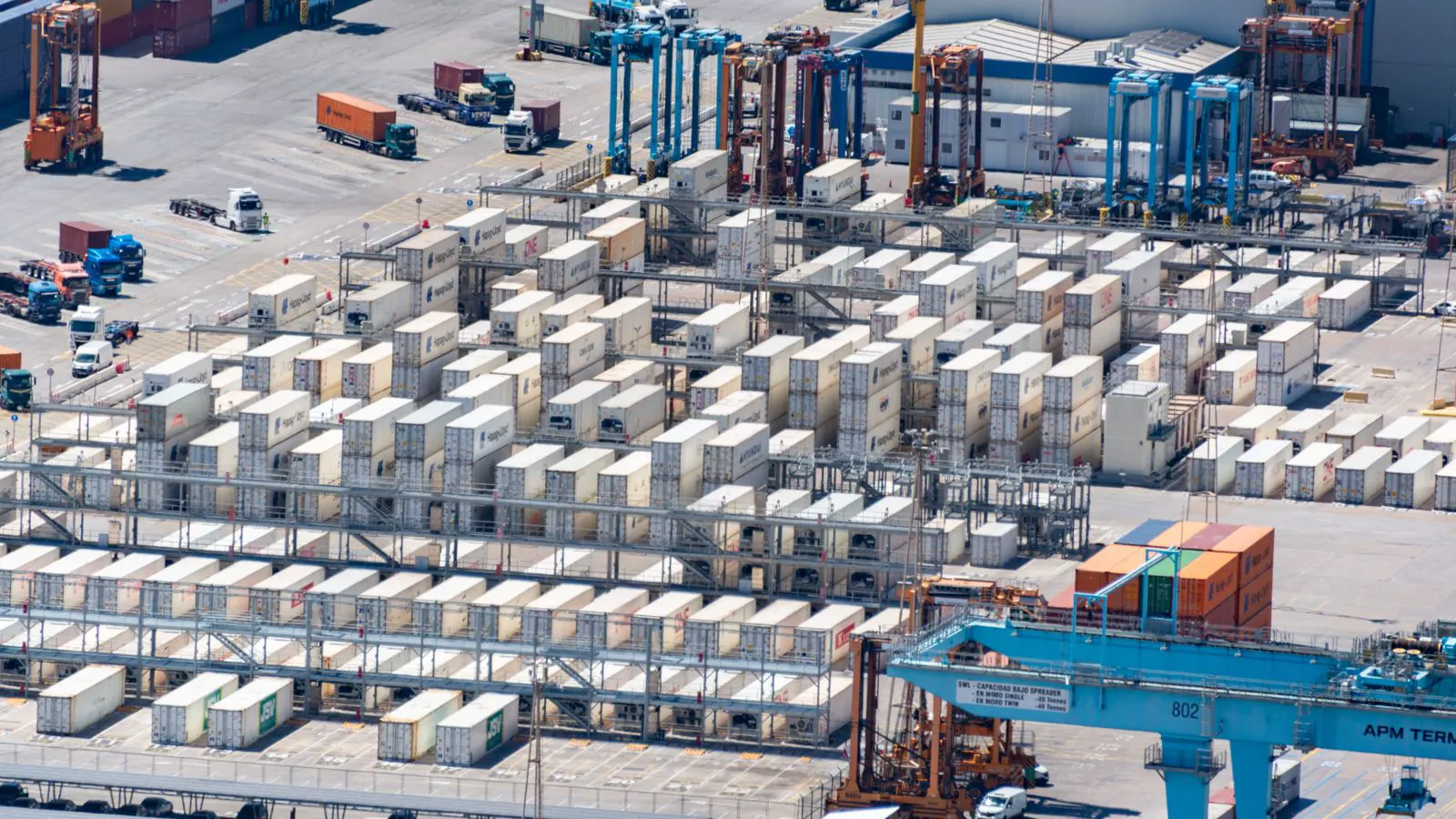
Shipping costs remain a major variable in landed price. Metal prices may be stable while container rates, ocean freight surcharges, or inland trucking costs rise. Importers must separate the commodity component from the logistics component when evaluating quotes.
A useful approach is to break down the total landed cost into three layers: commodity price, processing and fabrication cost, and freight and duty. This structure makes it easier to identify which layer changed between quotes. It also clarifies when a supplier is absorbing freight volatility versus passing it through.
Freight planning should align with metal price cycles. When copper prices are stable, negotiate longer contract terms. When metal prices are volatile, use shorter terms or index-linked pricing to limit exposure. Logistics windows also matter. A shipment delayed by two weeks during a price spike can add significant cost.
How contract structures should adapt to market shifts
Fixed-price contracts provide certainty but transfer volatility risk. Index-linked contracts track market movements but introduce uncertainty into cash flow planning. Most mature importers use hybrid structures that combine both elements.
A common approach sets a base price with a defined adjustment mechanism. The base covers a standard grade and quantity. The adjustment references a recognized market index for copper and zinc. The formula should be simple and transparent. Both parties should agree on the reference source, calculation method, and review frequency.
Contract length also matters. Shorter terms reduce exposure during high-volatility periods. Longer terms help when the market is stable and the buyer needs predictable pricing for multi-year projects. The key is matching contract duration to the volatility profile of the specific metal and region.
How quality specifications tighten as prices change
When metal prices rise, the temptation to reduce specification tolerance increases. This often backfires. Lower quality inputs create more rework, higher scrap rates, and more failed inspections. The true cost of quality failure exceeds the savings from looser tolerances.
Importers should lock in quality requirements in writing before price negotiations begin. Specify alloy composition, dimensional tolerances, surface finish, and testing methods. Include acceptance criteria for each lot. Document the consequences of non-conformance, including rejection and replacement terms.
As market conditions change, quality expectations may shift. A buyer importing copper tube for refrigeration should hold to tighter dimensional tolerances than one importing decorative brass for fixtures. The application determines the risk. Misaligned specifications lead to disputes and rework.
How regional sourcing diversification reduces risk
Relying on a single supplier region concentrates risk. If that region faces policy changes, infrastructure problems, or demand spikes, the importer has limited options. Diversifying sourcing across regions spreads exposure and improves negotiating use.
Regional diversification also affects logistics. Shipping from a distant region may increase lead time and cost. A nearby region may offer shorter transit but limited capacity. The optimal mix balances cost, speed, and supply security.
Importers should maintain a tiered supplier structure. Tier one covers 60 to 70 percent of volume from the primary region. Tier two covers 20 to 30 percent from an alternate region. Tier three holds 5 to 10 percent from a secondary source for spot demand. This structure allows quick reallocation when market conditions shift.
How to prepare your sourcing plan for the next cycle
Prepare by building a simple monitoring routine. Track metal prices weekly. Review freight rates monthly. Check supplier capacity quarterly. Align these reviews with your production schedule and inventory targets.
Use a spreadsheet or procurement software to log price changes, freight rates, and supplier lead times. The goal is not to predict the market perfectly. The goal is to detect shifts early and adjust contracts, inventory levels, and supplier mix before costs spike.
Budget for volatility. Set aside a contingency line for price adjustments. Review this line quarterly. If metal prices remain stable, the contingency reduces. If prices rise, the contingency covers the gap. This approach protects cash flow and prevents emergency purchasing at premium rates.
Pricing and logistics planning table
| Factor | What to monitor | Typical impact on landed cost |
|---|---|---|
| Copper market trends | Refining capacity, mining output, trade policy | Direct effect on base metal price |
| Brass market | Zinc supply, alloy demand, processing capacity | Premium over copper for specific grades |
| Metal prices | Weekly index movements, supplier quotes | Drives contract adjustments and hedging |
| Freight and logistics | Ocean rates, surcharges, inland trucking | Adds 5 to 15 percent variance in landed cost |
| Quality specifications | Tolerances, testing results, rework rates | Affects acceptance rate and scrap cost |
Preparing for market shifts: a numbered checklist
- Review current supplier contracts for index-linked pricing or fixed terms.
- Identify which alloys you import and their primary input drivers.
- Map freight routes and lead times for each supplier region.
- Set a weekly metal price monitoring routine.
- Review quality specifications against current application requirements.
- Update the contingency budget based on current volatility levels.
- Confirm tiered supplier capacity for the next two quarters.
How to communicate changes to internal teams
Pricing shifts affect more than procurement. Engineering, finance, and production all feel the impact. A change in brass alloy cost may require redesign of a component. A copper price spike may force a review of material alternatives.
Create a short internal brief after each major market shift. State the change, the affected products, the estimated cost impact, and the recommended action. Keep it to one page. Include the relevant metal price reference and the logistics factor that contributed to the change.
This communication prevents siloed decision-making. Engineering sees the cost pressure before finalizing a design. Finance models the cash flow impact before approving a purchase order. Production adjusts schedules to match available inventory. Clear communication reduces rework and delays.
How to evaluate alternative materials without sacrificing performance
When metal prices rise, buyers often consider alternative materials. This decision requires careful evaluation. A substitute may save cost in the short term but create performance issues later.
Compare materials on three axes: mechanical performance, processing behavior, and total lifecycle cost. A lower cost material that requires additional machining, causes more scrap, or fails earlier in service may not deliver savings.
Test alternatives in small batches before full-scale adoption. Validate performance under real operating conditions. Document the results. This creates an internal reference that supports future material decisions without repeating costly trials.
Frequently asked questions
How often should importers review copper market trends?
Weekly reviews are practical for active importers. Monthly reviews may suffice for buyers with long-term fixed contracts and low volume.
Does brass market pricing always follow copper?
No. Brass also tracks zinc and alloy demand. A copper price drop may not reduce brass cost if zinc supply tightens or processing demand rises.
How much should freight add to landed metal cost?
Freight typically adds a variable percentage that changes with shipping rates. Importers should separate freight from commodity pricing in every quote review.
Should all contracts be index-linked?
No. Index-linked terms work well during high volatility. Fixed terms provide certainty during stable periods. Many buyers use hybrid structures.
What is the first step to prepare for a price spike?
Break down landed cost into commodity, processing, and freight layers. This makes it easier to see which component is driving the increase.