How to Calculate Total Cost of Copper and Brass Imports
This guide provides a step-by-step method for calculating the final price of imported copper and brass. It covers metal pricing, shipping options, duties, and inspection fees to ensure accurate budgeting for procurement teams.
- Total import cost includes more than the unit price, covering freight, insurance, duties, and handling.
- Use a consistent formula to compare quotes from different suppliers and carriers.
- Account for currency fluctuations and lead times to avoid budget overruns.
- Verify all documentation to prevent delays and additional port fees.
- Review the final landed cost before committing to a purchase order.
Defining the Scope of Your Calculation
Start by identifying every cost element involved in moving copper or brass from the supplier to your facility. A basic unit price is rarely the final number you will pay. The total import cost calculation must capture freight, insurance, customs duties, and any local handling charges. Professional buyers use this method to compare suppliers fairly and to predict cash flow requirements.
Before beginning, gather the following documents. You will need the supplier’s commercial invoice, the bill of lading or air waybill, the packing list, and any certificates of origin. These items determine the declared value of the goods and the classification for duty purposes. Without this data, any estimate remains a guess.
A common oversight is treating the supplier’s quote as the complete cost of the metal. The quote covers the material itself. It usually does not cover the movement of that material across borders. If you import 20 tonnes of brass rod, the metal cost is one line item. The shipping, duty, and clearance costs are separate. When you add them together, the total can be significantly higher than the initial material price.
Preparing the Input Data
Collect the physical details of the shipment. Record the net weight of the metal, the gross weight including packaging, and the dimensions of the crates or containers. Copper and brass are dense materials, so weight is the primary driver for cost. However, volume matters for air freight or when using small sea containers.
Determine the commodity code for the specific product. A brass rod and a copper sheet may have different classifications. The correct code determines the duty rate. Consult the tariff schedule for your destination country. If you are unsure, ask your customs broker to verify the classification before shipment.
The distinction between net weight and gross weight is critical for shipping calculations. Net weight is the weight of the metal alone. Gross weight includes the packaging, such as wooden crates, pallets, and protective wrapping. Freight forwarders often charge based on gross weight. If you do not account for the packaging weight, your shipping estimate will be inaccurate. For dense metals, the packaging weight is a small percentage of the total, but it still affects the cost per kilogram when you divide the total landed cost by the net weight.
Calculating the Base Material Cost
Begin with the supplier’s quoted price per kilogram or per tonne. Multiply this by the net weight of the shipment. This gives you the total material cost. Compare this figure against current market rates for the specific grade. If the quote is significantly below or above the standard range, investigate why.
Check if the quote is exclusive or inclusive of packaging. Crates, pallets, and protective wrapping add weight and cost. Some suppliers charge separately for export handling. Clarify these terms in writing. A discrepancy here can inflate the total import cost calculation by several percent.
Market rates for copper and brass fluctuate based on global supply and demand. A supplier may quote a price based on a specific benchmark, such as the London Metal Exchange price, plus a fixed premium. This premium covers manufacturing, refining, and export handling. If you are buying brass rod, the premium varies by diameter, length, and tolerance. If you are buying copper sheet, the premium depends on thickness and surface finish. Always confirm the benchmark and the premium structure in the purchase order.
Factoring in Shipping Options
Select the appropriate transport mode based on urgency and volume. Sea freight is economical for bulk orders of copper and brass. It offers lower per-unit costs but requires more planning time. Air freight is faster but expensive. It is typically reserved for urgent, low-volume orders or high-value prototypes.
Compare quotes from at least two freight forwarders. Ask for all-inclusive rates where possible. If the quote is origin-to-destination, confirm what is included. Does it cover terminal handling, customs clearance, and delivery to your dock? Some quotes are origin-to-port only. You must add the domestic leg separately.
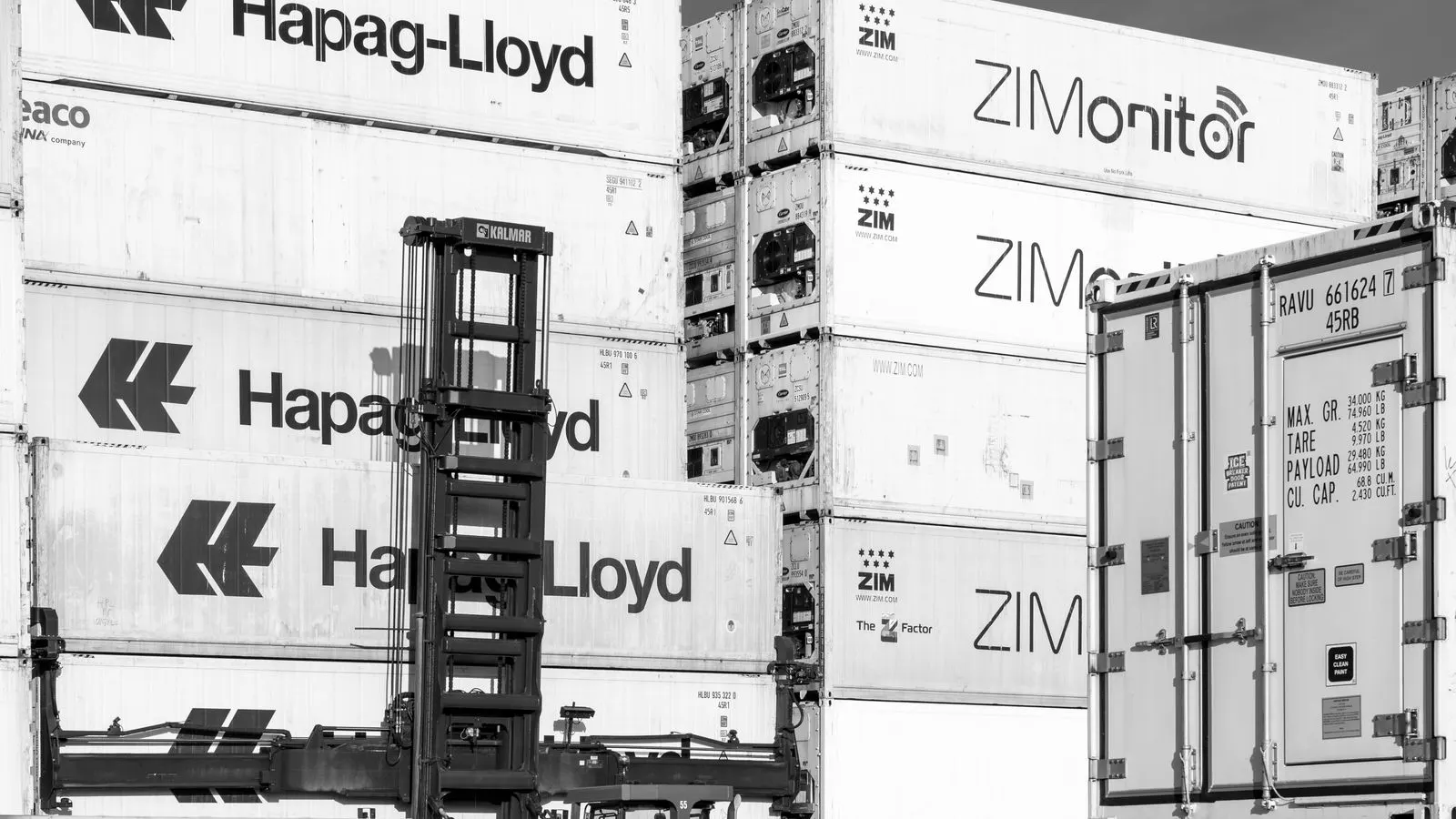
Sea freight usually involves shipping in 20-foot or 40-foot containers. For dense metals like copper and brass, a 40-foot container can hold a significant quantity. However, the weight limit of the container may be reached before the volume limit. Freight forwarders use the higher of weight or volume for billing purposes. This is known as chargeable weight. For metal shipments, weight is usually the determining factor.
Applying Duties and Taxes
Determine the applicable duty rate for the commodity code. Multiply the declared value by this percentage. The declared value is usually the transaction value plus freight and insurance, depending on your country’s customs rules. Some regions use a different basis for calculation.
Check for any additional taxes. Some countries impose import levies, anti-dumping duties, or specific taxes on metal products. These are separate from standard tariffs. Your customs broker can provide a breakdown of all applicable charges. Failing to account for these can lead to unexpected bills at the border.
The declared value is the foundation of your duty calculation. It is not always the price on the supplier’s invoice. Customs authorities may adjust the value if they believe the transaction is not at arm’s length. They may also add specific charges for freight and insurance, depending on the Incoterm used. This is called the customs value. If you under-declare the value to reduce duty, you risk penalties and seizure of the goods. Always declare the accurate transaction value plus any required freight and insurance costs.
Accounting for Insurance and Risk
Insure the shipment for its full value. The cost is usually a small percentage of the declared value. Compare policies from different providers. Look for coverage that includes transit damage, theft, and delay. For copper and brass, corrosion is a risk if packaging fails. Ensure the policy covers storage damage if goods are held at a port.
Review the terms of sale. If you buy on an Incoterm like FOB, you handle the insurance and freight. If you buy on CIF, the supplier handles them. The total import cost calculation differs based on this contract. Always align your budget with the Incoterm agreed upon with the supplier.
The Incoterm determines who is responsible for the risk and cost of the goods during transit. If you agree on FOB (Free On Board), the seller’s responsibility ends when the goods are loaded onto the vessel. You are responsible for the freight and insurance from that point onward. If you agree on CIF (Cost, Insurance, and Freight), the seller covers the cost, insurance, and freight to the destination port. In a CIF contract, the seller provides the insurance certificate to you. You must ensure the policy covers the full value of the goods and that the coverage terms align with your risk requirements.
Verifying the Final Landed Cost
Add all calculated figures together. Material cost, freight, insurance, duties, taxes, and local handling make up the final amount. Divide this total by the net weight to get a cost per kilogram. This figure is useful for comparing future orders.
Review the calculation against your initial budget. If the final landed cost exceeds your limit, identify which component can be adjusted. Can you reduce the order size to fit a smaller container? Can you switch to a different shipping route? Can you negotiate a lower duty rate with a different supplier? Adjust the variables until the cost aligns with your financial plan.
The cost per kilogram is a useful metric for internal comparison. It allows you to compare different suppliers and shipping options on a normalized basis. For example, Supplier A may have a lower material price but higher shipping costs due to a less efficient origin location. Supplier B may have a higher material price but lower shipping costs. By calculating the cost per kilogram for each option, you can make an informed decision that reflects the true cost of the material at your facility.
Common Mistakes to Avoid
Buyers often forget to include currency conversion fees. If you pay in a foreign currency, your bank may apply a spread. Factor this into your calculation. A small percentage difference can add up on large metal orders.
Another error is ignoring storage fees. If your customs clearance is delayed, goods may incur daily storage charges at the port. Plan for a buffer in your timeline. If you are unsure of the clearance process, request a pre-arrival submission to speed up the release.
Do not assume all suppliers provide the same documentation. Some include certificates of origin, while others do not. Missing documents can cause customs to hold the shipment. This leads to demurrage and detention fees. Verify the documentation checklist before shipping.
Currency conversion is a subtle but significant cost. If you purchase from a supplier in a different currency, your bank will convert that amount to your local currency. The exchange rate used by the bank is not always the same as the published rate. The bank applies a margin, or spread, to cover its risk and profit. This spread can vary from one bank to another. You should confirm the exchange rate and the spread with your bank before making the payment. This information should be included in your landed cost calculation.
Final Verification Step
Before signing the purchase order, run the calculation one last time. Check the weight against the packing list. Confirm the duty rate with a broker. Verify the shipping quote with the forwarder. Ensure the insurance policy is active and matches the declared value.
Keep a copy of the final cost breakdown. This record is useful for internal approval and for future reference. It helps you track actual costs against estimates over time. A disciplined verification process prevents surprise charges and ensures accurate financial planning for imported materials.
The final verification step is a quality control measure for your purchasing process. It ensures that all calculations are accurate and that all terms are agreed upon before you commit to the purchase. It also creates a record that you can refer to if there are disputes with the supplier, freight forwarder, or customs broker. If there are discrepancies between the estimate and the actual cost, this record helps you identify where the difference occurred and take corrective action.
Frequently asked questions
Can I calculate import cost calculation without a customs broker?
You can estimate the cost using general tariff rates and standard freight quotes. However, a broker ensures accuracy and handles the clearance process.
How do shipping options affect the total price?
Sea freight reduces per-unit costs for bulk metal but takes longer. Air freight increases speed but significantly raises the freight charge. The choice depends on your inventory needs.
What is the best time to order metal to save on import costs?
Monitor metal pricing trends and freight rates. Booking during lower demand periods can reduce freight costs. However, metal prices fluctuate independently of shipping costs.
Do packaging materials affect the import cost calculation?
Yes. Packaging adds weight and volume. If the material is dense, weight increases freight. If the crates are large, volume may affect air freight or small container costs.
Is there a difference between CIF and FOB in terms of landed cost?
Yes. Under FOB, you pay for freight and insurance. Under CIF, the supplier pays for them. The final landed cost is similar, but the responsibility for booking and risk differs.